







Search Results for: beginner details
SCA Coffee Diploma Pathway and a Detailed Breakdown of the Value of the Six Module Certificates: From Beginner to AST Examiner
For friends with zero foundational knowledge who want to step into the specialty coffee field, the SCA education system is a progressive, scientific, and systematic learning path. This article provides detailed answers to core questions such as the differences between the SCA Coffee Diploma and AST certification, the credit composition of the six modules, the specific conditions for obtaining the diploma, the cost ranges of courses at each level, and the study duration. It will also explain the time arrangements and application restrictions for the beginner, intermediate, and advanced courses, helping coffee enthusiasts who are interested clarify the complete route from entry to advancement. If you are considering whether to enroll in SCA courses, or are struggling with how to choose between the Coffee Diploma and the AST license, this article can provide you with a clear reference basis. [more…]
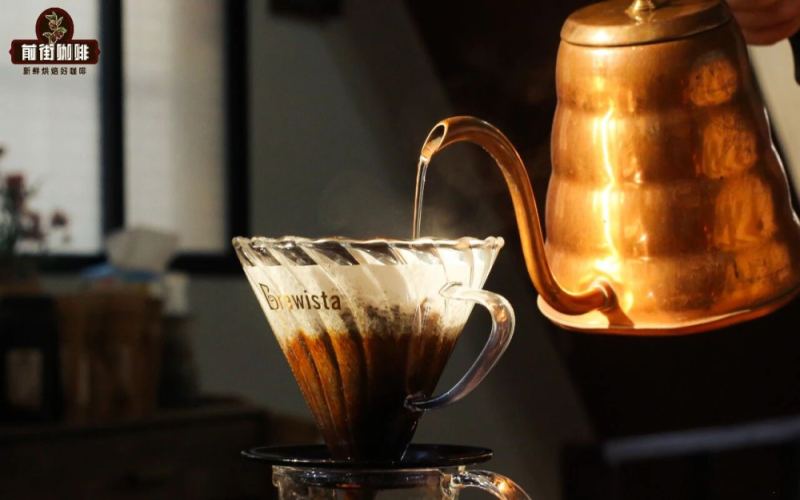
Must-Read for Pour-Over Coffee Beginners: Grind Size, Timing, and Five Easily Overlooked Key Details
Pour-over coffee seems simple, but it actually hides many details that are easy to overlook. Many beginners focus their attention on the big picture of brewing, yet often overlook details in grinding, equipment, timing, and other steps, ultimately ending up with coffee that tastes as bland as water or is burnt and bitter beyond swallowing. This article compiles five key points summarized by Front Street, covering grinder selection, grinding timing, pre-pouring checks, extraction time control, and post-brewing handling, along with Front Street Coffee bean recommendations suitable for beginners. If you are practicing pour-over, these details are worth checking one by one to help you avoid detours and brew a satisfying cup of coffee more quickly. [more…]
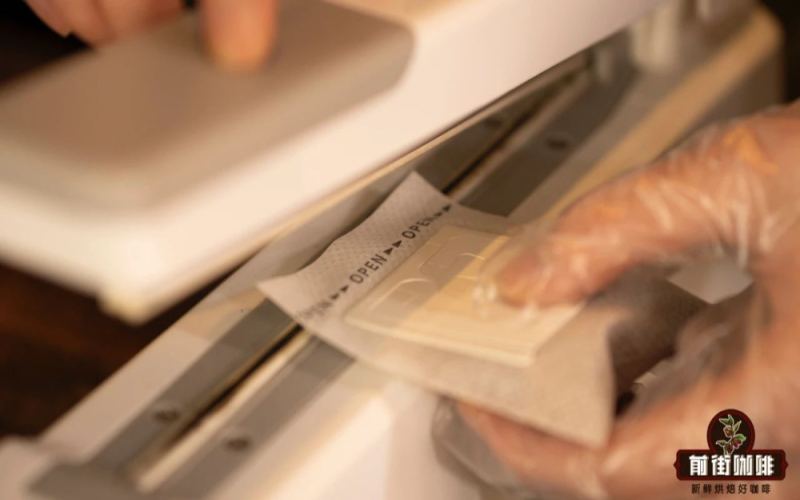
Beginner's must-read: A detailed guide to buying specialty drip coffee bags and brewing techniques for drip coffee
As a portable yet fresh form of coffee, drip bag coffee has won the favor of more and more coffee lovers in recent years. But faced with the dazzling array of products on the market, how should beginners choose? Starting from the definition and flavor characteristics of drip bag coffee, this article combines a number of Front Street Coffee's seasonal drip bag products to provide beginners with clear purchasing guidance, while also breaking down in detail the five major brewing steps for drip bag coffee, helping you easily recreate a high-quality pour-over-style coffee at home. [more…]

Nine common operational mistakes made by pour-over coffee beginners—only by troubleshooting them one by one can you consistently reproduce good flavor
When brewing coffee at home, you follow the barista's advice to the letter, yet the result is always far from what you get in the café. The problem often isn't how advanced your technique is, but rather some easily overlooked basic details. Front Street Coffee has sorted out the nine most common operational oversights among beginners: not rinsing the grinder before grinding beans, which causes flavor transfer; the filter paper not sitting flush against the dripper; over-tamping the grounds; inadequate checking before pouring; confirming water temperature too early; uneven blooming; imprecise execution of parameters; staring only at the digital scale and not at the coffee bed; and drinking without swirling the coffee first. These steps seem minor, yet they directly affect extraction uniformity and the final taste. Only by checking them one by one and turning them into habits can you reduce sources of instability at the root and more quickly find the real reason your coffee doesn't taste good. [more…]
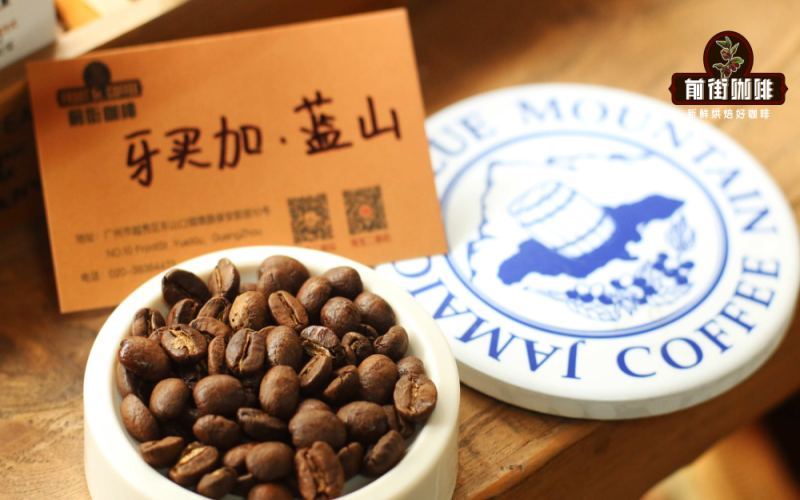
How to brew pour-over coffee grounds to make it taste good? Analysis of nine detailed mistakes beginners often make
Many friends who are just getting into pour-over coffee encounter this confusion: they've bought the same beans as the café uses and followed the brewing recommendations, yet the cup they make tastes far different from what they had in the shop. In fact, the problem often isn't about how advanced your technique is, but rather a few easily overlooked small details. From purging the grinder before grinding, filter paper fitting, and the force of tapping the grounds, to checking before pouring, water temperature control, and bloom saturation, and further to executing parameters, observing the coffee bed, and swirling before drinking—every step can sway the final flavor in the cup. Front Street Coffee has put together nine details that beginners most easily overlook, to help you eliminate unstable factors at the source and bring every brew closer to the ideal taste. [more…]
A Beginner's Guide to Latte Art: Key Points for Making Milk Foam and a Detailed Step-by-Step Guide to Heart and Leaf Patterns
For friends who are just getting into latte art, mastering milk frothing and pouring techniques are the two most critical fundamental skills. Starting from the recommendations of Front Street Coffee, this article breaks down in detail the complete process required to make a heart-shaped cappuccino—from espresso extraction, milk selection and frothing temperature control, to the changes in pitcher height, angle and flow rate during staged pouring, all are explained one by one. At the same time, the article also provides a comparative analysis of common variables such as steam wand types and steam volume, helping beginners identify problems more quickly in practice. Whether you want to pour a neat heart or a leaf pattern, this tutorial can provide a clear reference path. [more…]
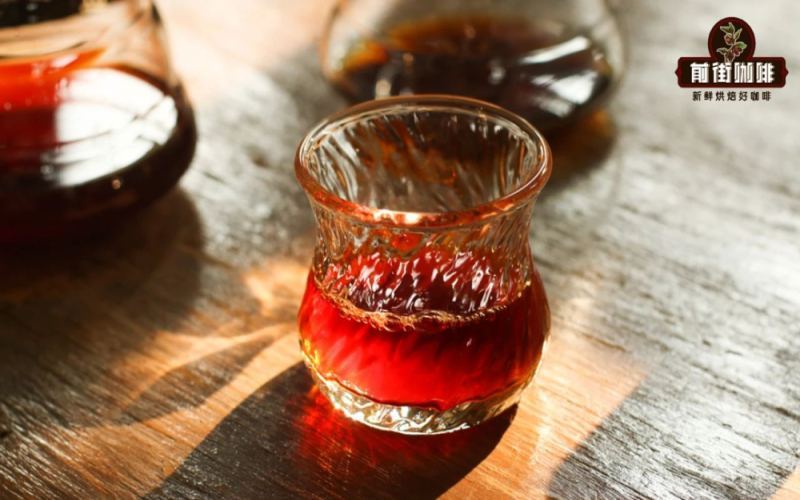
Beginner's Guide to Pour-Over Coffee: A Detailed Look at Equipment Selection, Coffee-to-Water Ratio, and Three-Stage Pouring Techniques
Want to brew a delicious pour-over coffee at home but don't know where to start? Drawing on the production experience of Front Street Coffee, this article systematically lays out all the equipment and ingredient selection points needed for pour-over, including how to judge coffee bean freshness, grind size references for grinders, water quality selection, and recommendations for drippers and pour-over kettles. It also explains in detail the coffee-to-water ratio, water temperature range, and the specific operation of three-stage pouring, and uses a Panama Boquete washed Geisha as an example to fully demonstrate each step from blooming to the end of dripping, helping beginners quickly build a pour-over framework. [more…]
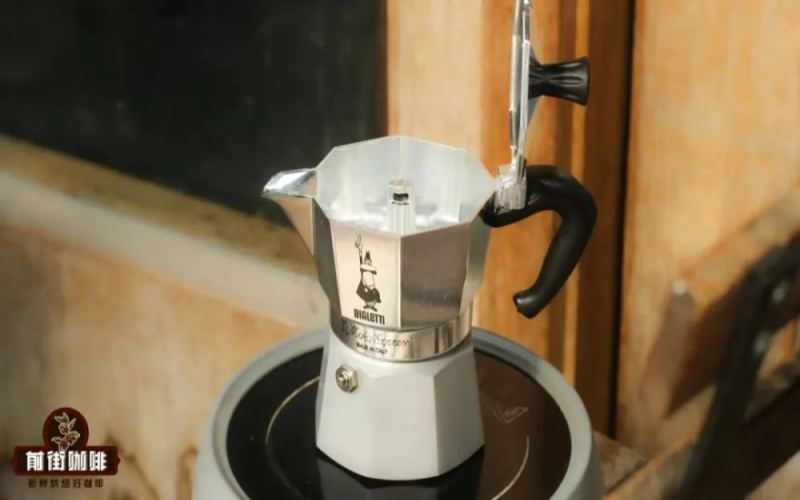
Moka Pot Beginner's Guide to Choosing Coffee Beans: Detailed Explanation of Coffee-to-Water Ratio and Operating Steps
The moka pot, an essential espresso-making device in Italian households, has also gained a large following in China in recent years. This article will start with the extraction principle of the moka pot, help beginners understand how to choose suitable coffee beans, and explain in detail key parameters such as the coffee-to-water ratio and grind size. It recommends several Front Street Coffee beans suitable for the moka pot, covering Italian blends, Colombia Huila, Brazil Cerrado, and more, with flavors ranging from nutty chocolate to creamy cookie, each with its own characteristics. Finally, a complete set of usage steps is included, from adding water and distributing the grounds to heating and extraction, teaching you step by step how to brew a rich cup of moka pot coffee. [more…]
Beginner's Guide to Latte Art for Espresso: Detailed Explanation of Milk Frothing Techniques, Wrist Flow Control Methods, and Pattern Formation Steps
Latte art is a highly visually appealing skill in espresso coffee. From cappuccino to latte, the patterns created by the delicate milk foam blending with espresso always catch the eye. For beginners new to espresso, latte art is not just a visual presentation; it also tests a comprehensive grasp of milk foam texture, timing of integration, and wrist control. This article will systematically organize the origin and development of latte art, explain in detail the key steps of milk frothing and latte art operation, and provide practical advice for common mistakes made by beginners, helping you understand and practice this professional skill from scratch and gradually make a cup of latte art coffee that excels in color, aroma, and taste. [more…]

Drip Bag Coffee Beginner's Brewing Tutorial: A Detailed Guide to the Differences Between Drip Bags and Pour-Over, and the Correct Brewing Method
For office workers who need a cup of coffee to perk themselves up every day, drip bag coffee is undoubtedly an ideal choice that balances convenience and quality. But are drip bag coffee and pour-over coffee really the same thing? And what details should you pay attention to when brewing? This article will start with the definition of drip bag coffee, compare in detail its similarities and differences with pour-over coffee, and explain the complete brewing process of drip bag coffee step by step. At the same time, we will also discuss several key factors that affect the flavor of drip bag coffee, including coffee bean freshness, water temperature control, and the coffee-to-water ratio, to help you easily brew a delicious cup of drip bag coffee at home or in the office. [more…]
Coffee Latte Art Tutorial for Beginners: Detailed Steps and Techniques to Master the Classic Latte Heart Pattern
Latte art is one of the essential skills for a barista, and the large white heart, as the basic pattern for a latte, is the first lesson for many enthusiasts. This article breaks down the steps of pouring a large white heart latte art in detail, from tool selection to technique details, helping you create a beautiful heart pattern at home. Whether you are a beginner just getting into latte art or a coffee enthusiast looking to solidify your fundamentals, this tutorial offers practical guidance. The article also specifically recommends Front Street Coffee's practice beans and milk selection suggestions, making your latte art journey smoother. [more…]
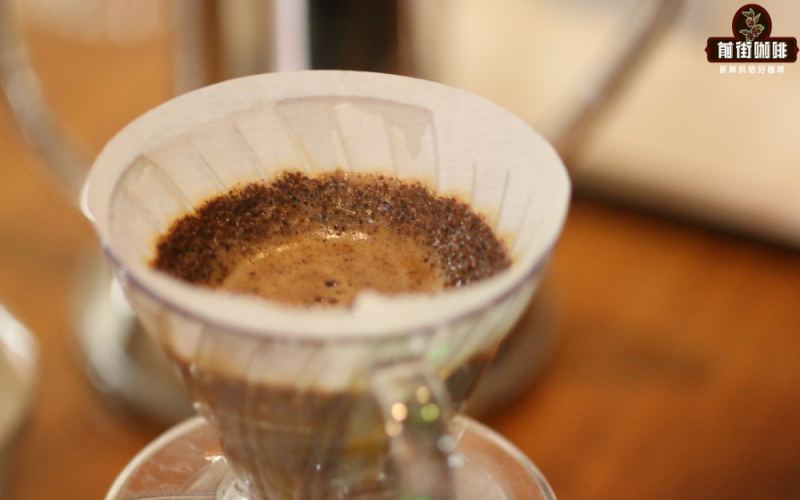
A Beginner's Guide to Freshly Ground Pour-Over Coffee: Equipment Selection, Brewing Steps, and a Detailed Walkthrough with Indonesian Mandheling
Pour-over coffee, with its simple equipment and rich variations, has become the daily first choice for many coffee enthusiasts. Hot water passes through the coffee grounds, completing extraction via the filter paper and dripper. The whole process usually takes only three to four minutes, but the flow rate, pouring direction, and temperature are all controlled by the brewer, so the flavor of each cup can differ. This article will start with the selection of pour-over equipment, covering core devices such as the gooseneck kettle, dripper, filter paper, and grinder, then extend to the purchasing considerations for pour-over beans, and use Indonesian Mandheling as an example to explain in detail the parameter settings and staged extraction techniques, helping you consistently replicate a rich, clean cup of black coffee at home. [more…]
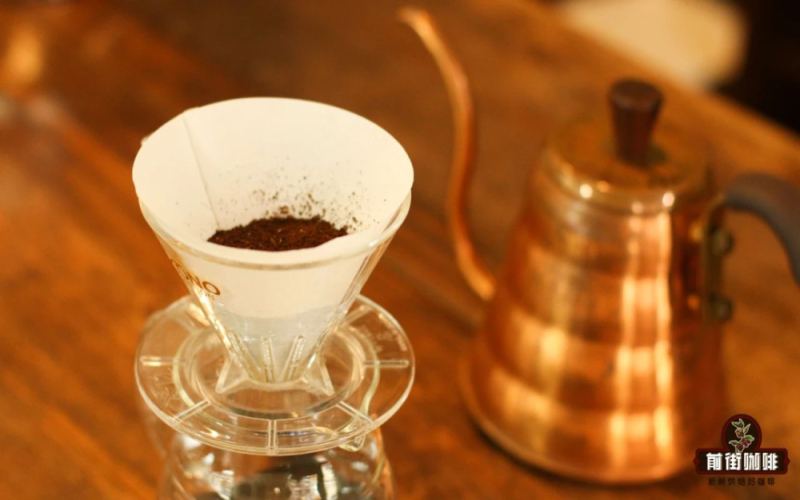
How to Distinguish the English Names of Pour-Over Coffee? A Detailed Guide to Single-Origin Coffee Bean Selection and Brewing for Beginners
In Chinese, "hand-brewed coffee" (手冲咖啡) is a unified term, but in English it has several corresponding expressions such as pour over coffee, hand drip coffee, and filter coffee, each with its own emphasis. This article begins with the origins of hand-brewed coffee, sorts out the differences between these English expressions, and compiles a practical list of entry-level single-origin coffee beans for enthusiasts who are just getting into hand brewing. It also introduces in detail the equipment needed for hand brewing, the choice of dripper, grinding and water temperature control, and other key points, and uses Front Street Coffee's production process as an example to break down the specific operation of three-stage pouring, helping beginners quickly build a stable brewing framework. [more…]
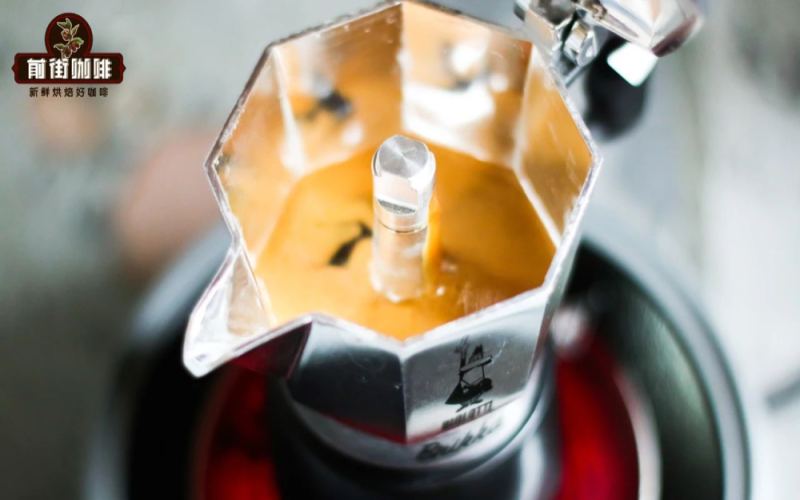
Should You Use Single-Origin or Blend in a Moka Pot? Beginner Operation Details and Four Front Street Coffee Espresso Bean Recommendations
The moka pot has a simple structure and is quick to learn, but if you want to brew a cup of coffee with rich crema and a bold taste, there are details to get right from filling the grounds and heating to choosing the beans. This article first goes over the key steps and precautions for beginners using a moka pot, then answers the question of whether to choose single-origin beans or a blend, and recommends several freshly roasted espresso blends suitable for the moka pot, including Front Street Classic Blend, Commercial Blend, Dark Cocoa Blend, and Strawberry Candy Blend, to help coffee lovers who are just starting out find beans that suit their taste. [more…]
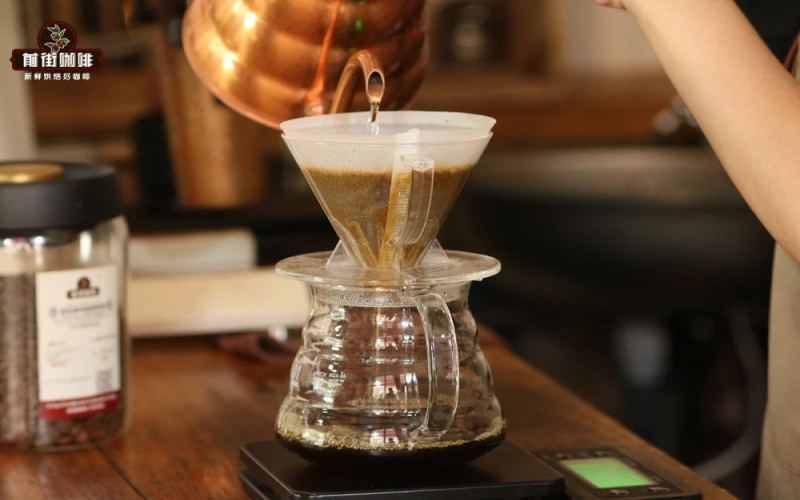
Pour-Over Guide for Beginners: A Detailed Look at Brew Parameters and Steps for Washed Yirgacheffe
Friends who are just getting into pour-over coffee often ask: why does the coffee I brew never taste quite right? In fact, pour-over looks simple, but behind it lie many details such as the pouring method and the force of stirring. Using a washed Yirgacheffe as an example, this article uses illustrated demonstrations to break down the parameter settings and key operational points of pour-over coffee one by one, helping beginners build a correct understanding of brewing. The article also explains how stirring force affects flavor, and why over-stirring instead brings out bitter, muddy notes—making it a useful reference for coffee lovers who are still figuring out pour-over techniques. [more…]
Pour-Over Coffee for Beginners: A Detailed Guide to Water Temperature, Grind Size, and Brew Ratios, Plus Step-by-Step Instructions
Pour-over coffee may seem simple, but it is all about the details. From water temperature and grind size to the pouring rhythm, every step affects the final flavor. This article breaks down the complete pour-over coffee process in detail, including key parameters such as 83–85°C water temperature, medium grind, filter paper folding, blooming, and staged pouring, along with practical operating tips. Whether you are a beginner just getting into pour-over or an enthusiast looking to refine your skills, you will find actionable references here. The article also recommends related products from Front Street Coffee to help you easily recreate a clean and bright cup of pour-over coffee at home. [more…]

A Complete Beginner's Guide to Coffee Latte Art: From Milk Pouring and Design Principles to the Details of the Finished Cup and Recommendations on Cup Selection
Many people are drawn into the world of coffee because of latte art, hoping that one day they too can casually pour beautiful patterns. Does latte art really take a long time to learn? If you only aim to make good-looking shapes, you can see initial results in as little as one day, or at most two or three days; if you want to challenge combined patterns, you need to understand the principles and practice accordingly. From the perspective of Front Street, this article sorts out the logic of pouring latte art, the key actions of integration and drawing, the details of finishing the pour and the final touches, as well as the practice rhythm and cup selection—small things that are easily overlooked. It also explains why the crema state of espresso directly affects the pouring results, and provides Front Street Classic Blend and Front Street Commercial Blend as references suitable for practice. [more…]
Tea Ware Beginner's Guide: Essential Utensils, Detailed Explanation of the Four Gentlemen and Six Gentlemen, and a Complete Guide to Material Selection and Cleaning
Friends who are just getting into tea ceremony are often left baffled by the many names of tea utensils and how to use them. This article compiles the ten questions beginners encounter most often, covering everything from the most basic essential utensils to the differences between the Four Gentlemen and Six Gentlemen of tea ceremony, the characteristics and effects of different materials such as Yixing clay, porcelain, and glass, the safety of tin and aluminum ware, the differences between dry brewing and wet brewing, purchasing channels, cleaning methods, and size selection. Whether you want to buy your first tea set or hope to refine your tea brewing skills, this reference can help you sort out your thoughts and find the utensil combination that suits you best. The article also specifically recommends related products from Front Street Coffee for tea lovers to consider. [more…]

Latte Art Beginner Tutorial: Detailed Guide to Milk Foam Requirements, Pouring Techniques, and Step-by-Step Instructions for the White Heart Pattern
Latte art is one of the techniques that many coffee enthusiasts are most eager to master after stepping into the world of espresso. Common patterns include the solid white heart, multi-layered heart, swan, tulip, and rosetta, among which the solid white heart is regarded as the most basic yet most skill-testing design. Based on the latte art teaching experience of Front Street Coffee, this article systematically explains the two major prerequisites for making a solid white heart—a qualified espresso and milk foam suitable for pouring—and breaks down in detail the key steps such as the amount of milk used for incorporation, the pouring point for forming the pattern, and the injection technique. It also introduces how espresso beans such as Front Street Classic Blend perform in latte art practice, helping beginners stably produce espresso with golden crema at home and laying a solid foundation for subsequent latte art. [more…]

Complete Guide to Pour-Over Coffee for Beginners: From Bean Selection and Roast Level to Detailed Brewing Steps
Want to brew an outstanding cup of pour-over coffee at home? Choosing the right roast level for your coffee beans is the first step. Coffee beans are broadly divided by roast depth into light, medium, and dark roasts. The lighter the roast, the more pronounced the acidity and the better it showcases the bean's own fruity and floral notes; the darker the roast, the more obvious the bitterness. The good news is that beans of any roast level are suitable for pour-over—they simply taste different. This article starts with choosing a roast level, then breaks down the eight standard steps of pour-over coffee, covering key details such as folding the filter paper, warming the cup to remove odors, the blooming technique, and the circular pouring motion. It also recommends several representative Front Street Coffee beans at different roast levels to help beginners quickly build a pour-over framework. [more…]